
The Haus Of Avani Campus:
Living With Nature and Technology
The Haus of Avani Campus is a community-centered hub inspired by urban farming and the Naturhus concept from Greenhouse Living.
We believe that technology can work with nature, not against it, and that sustainable urban living can be beautiful, functional, and educational.
Our Inspiration
Greenhouse Living has shown how food production can thrive in urban environments by using closed-loop systems that recycle water, nutrients, and residual heat. Their work demonstrates that greenhouses and eco-houses can produce food, save energy, and create engaging learning spaces all within one lot.
We were inspired by their approach to urban cultivation, the careful integration of technology with natural systems, and the idea of making sustainability tangible and hands-on.
-
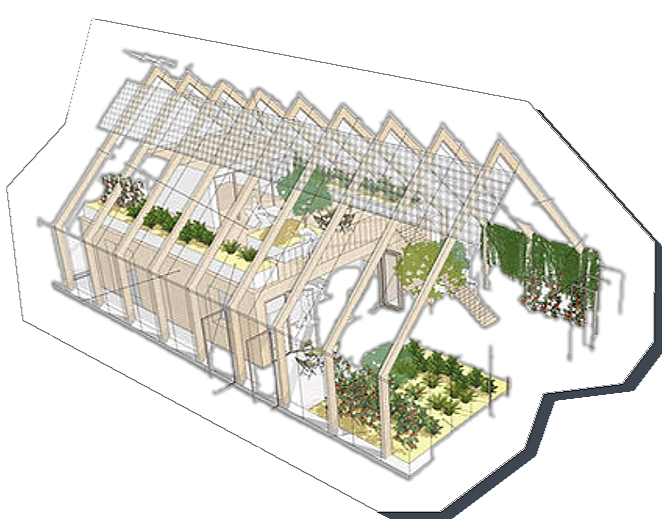
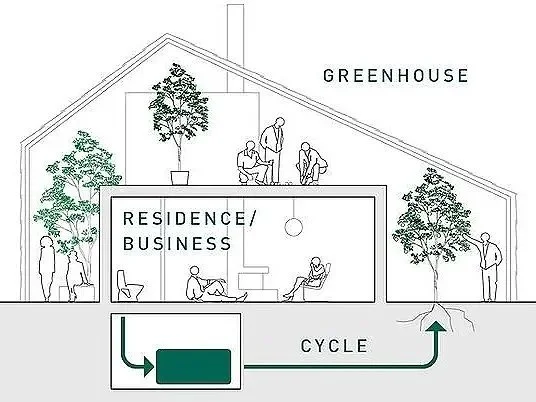
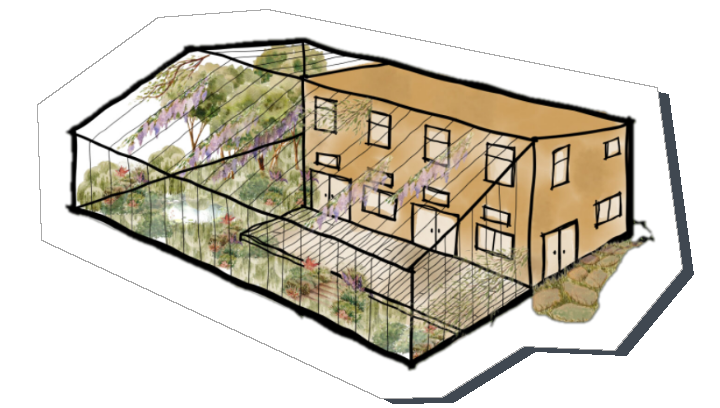
The greenhouse surrounds the Core House and creates a protected, year-round growing environment. It allows for a Mediterranean-like climate even in colder seasons, so plants and people can thrive.
Inside, you’ll find raised beds, vertical gardens, and outdoor patios, making it a space for food production, learning, and gathering. It also protects the Core House from wind, rain, and snow, while connecting indoor and outdoor life in a seamless, beautiful way.
-
The Core House is the main living and community space. Built with ecological, climate-smart materials, it’s energy-efficient and comfortable.
It houses the community kitchen, classrooms, and gathering areas, and is fully integrated with the greenhouse so that indoor spaces feel connected to the surrounding nature. The Core House is where people live, learn, and come together.
-
The eco-cycle system turns waste and water into a resource rather than a problem. Greywater (from sinks, showers, laundry) and optionally blackwater (from toilets) are collected and treated naturally, then used to fertilize plants in the greenhouse.
Rainwater is also captured for irrigation and ponds. This system creates a closed-loop cycle, producing fresh food, saving water, and teaching everyone who visits about sustainable living.
What We Are Building
The Campus Combines:
A Small Chapel: a quiet place for reflection and community ceremonies
The Community Haus (Naturhus Greenhouse): a year-round growing space with:
Raised beds and vertical gardens for food
A community kitchen for workshops, classes, and shared meals
Gathering and teaching spaces for wellness, sustainability, and educational events
Outdoor Demonstration Spaces: for community workshops, gardening, and learning
Eco-Cycle System:
Wastewater and rainwater are recycled to nourish plants, creating a closed-loop system that turns what we use back into food.
Produces organic food locally while teaching neighbors about sustainable living.
How the Campus Lives and Moves
The Haus of Avani Campus is an active community space designed for learning, gathering, and support. Programming is structured to serve youth, families, and the broader neighborhood through consistent, hands-on experiences; creating opportunities for people who don’t always have access to spaces like this

-
Clear the Block / Grow the Block
Youth-led cleanups followed by planting and garden building on the same sites; turning neglected spaces into usable community landAfter-School Garden Program
Weekly sessions where youth learn how to grow food, understand where it comes from, and participate in maintaining the campusGarden-to-Table Learning
Cooking and nutrition sessions using food grown on-site, reinforcing healthy habits and food awarenessYouth Work & Leadership Opportunities
Paid or stipend-based roles supporting garden maintenance, events, and campus operations
*Programs like these are proven to build life skills, environmental awareness, and healthier habits through hands-on learning
-
Community Meals & Food Access
Regular shared meals and food distribution integrated into programmingMental Wellness Circles
Small group gatherings focused on reflection, conversation, and emotional supportNature-Based Wellness Sessions
Guided time outdoors focused on slowing down, grounding, and reconnectingOpen Rest Spaces
Areas designed for people to sit, recharge, and exist without pressure
-
Urban Gardening & Food Growing Workshops
Teaching residents how to grow food at home or in shared spacesSustainability & Land Use Education
Practical learning on composting, water collection, and low-impact livingGuest Speakers & Community Spotlights
Featuring local leaders, growers, and organizations doing meaningful workHands-On Build Days
Community participation in building gardens, infrastructure, and shared spaces
-
Seasonal Festivals
Outdoor events celebrating growth cycles, food, and communityPop-Up Markets & Vendor Days
Supporting local growers, artists, and small businessesCommunity Days
Open campus days for families to gather, explore, and participateFaith-Based Gatherings & Services
Church-led moments of reflection, teaching, and connection.
-
Meadow & Pollinator Planting Days
Establishing native landscapes that support biodiversityCommunity Garden Plots
Shared growing spaces for residentsWater & Energy Demonstrations
Showing how systems like rain capture and solar can function at a neighborhood scaleNeighborhood Partnerships
Expanding impact by connecting with nearby gardens and community.
*Community garden models like this have been shown to improve access to fresh food, increase physical activity, and strengthen neighborhoods
-
What It Is
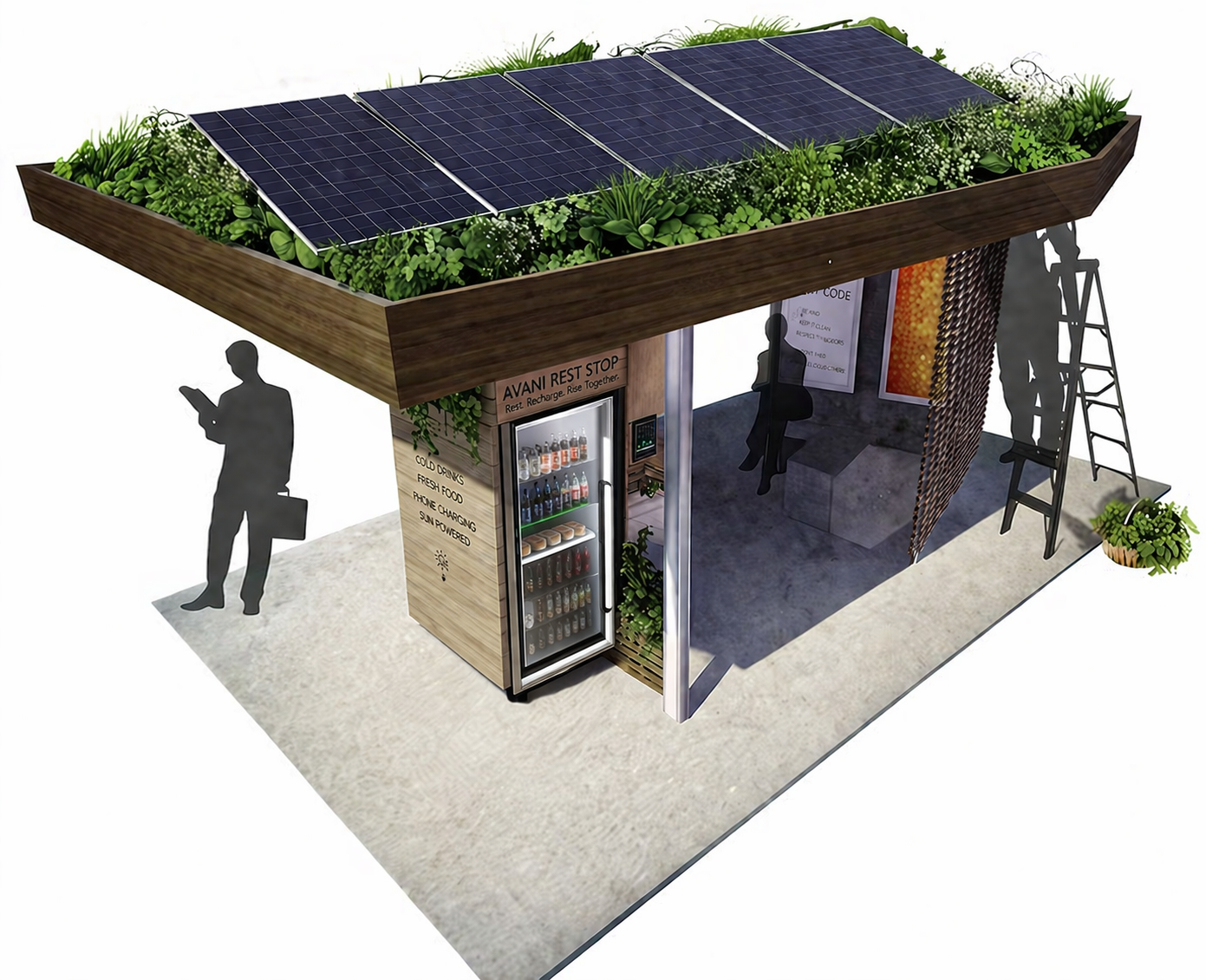
Each Avani Rest Stop is a compact, thoughtfully designed structure that combines:
A shaded seating area
A solar-powered system
A community-access fridge
Phone charging access
Native plant integration + green roof
These are not decorative installations; they are functional, repeatable units that can be placed throughout the neighborhood.
What It Provides
Daily Access to Basic Needs
Cold drinks and fresh food options
A place to sit, pause, and reset
Shade and protection from the elements
Energy + Connectivity
Solar-powered phone charging
Lighting for safety and visibility
Dignity + Presence
A space that says: you are allowed to be here
No purchase required
No pressure to leave
How It Works
Powered by solar panels integrated into the roof
Designed to operate off-grid or low-energy
Stocked and maintained through community support + partnerships
Installed as part of a network across the neighborhood, not just one location
Each unit is built to be:
Durable
Low-maintenance
Easy to replicate
Why It Matters
Most neighborhoods lack simple, accessible places where people can:
sit without being asked to leave
access food without barriers
recharge without cost
Avani Rest Stops address that gap directly.
They are designed for:
residents
youth
people in transition
anyone moving through the neighborhood who needs a moment to rest
Part of a Larger System
The Rest Stops are one part of the broader Avani ecosystem:
Connected to the Avani Campus (programming + support)
Supported by the Avani Web (resources + coordination)
Linked through the Avani Village network
Together, they create a distributed system of care across the neighborhood.
The Avani Gardens: Chapel & Suite is a revenue-generating space built to fund our work.
Designed for micro-weddings, elopements, and small rentals, it creates a steady income stream that directly supports programming for youth and families.
Alongside rentals, the space is used by a team of poets, wellness practitioners, sustainability experts, and community leaders who host sessions, workshops, and resource-based programming.
This is a practical model: events generate income, and that income funds accessible, community-driven work.